
Martial Arts
Martial Arts
Martial arts are codified systems and traditions of combat practiced for a number of reasons such as self-defence; military and law enforcement applications; competition; physical, mental, and spiritual development; entertainment; and the preservation of a nation's intangible cultural heritage.[1] The concept of martial arts was originally associated with East Asian tradition,[2] but subsequently the term has been applied to practices that originated outside that region.
"Martial arts" is a direct English translation of the Sino-Japanese word (Japanese: 武芸, romanized: bu-gei, Chinese: 武藝; Pe̍h-ōe-jī: bú-gē; pinyin: wǔyì). Literally, it refers to "武 martial" and "艺 arts".
The term martial arts was popularized by mainstream popular culture during the 1960s to 1970s, notably by Hong Kong martial arts films (most famously those of Bruce Lee) during the so-called "chopsocky" wave of the early 1970s.[3]
According to John Clements, the term martial arts itself is derived from an older Latin term meaning "arts of Mars", the Roman god of war, and was used to refer to the combat systems of Europe (European martial arts) as early as the 1550s.[4]
The term martial science, or martial sciences, was commonly used to refer to the fighting arts of East Asia (Asian martial arts) up until the 1970s, and the term Chinese boxing was also used to refer to Chinese martial arts until then.[5]
Some authors have argued that fighting arts or fighting systems would be more appropriate terms on the basis that many martial arts were never "martial" in the sense of being used or created by professional warriors.[6]
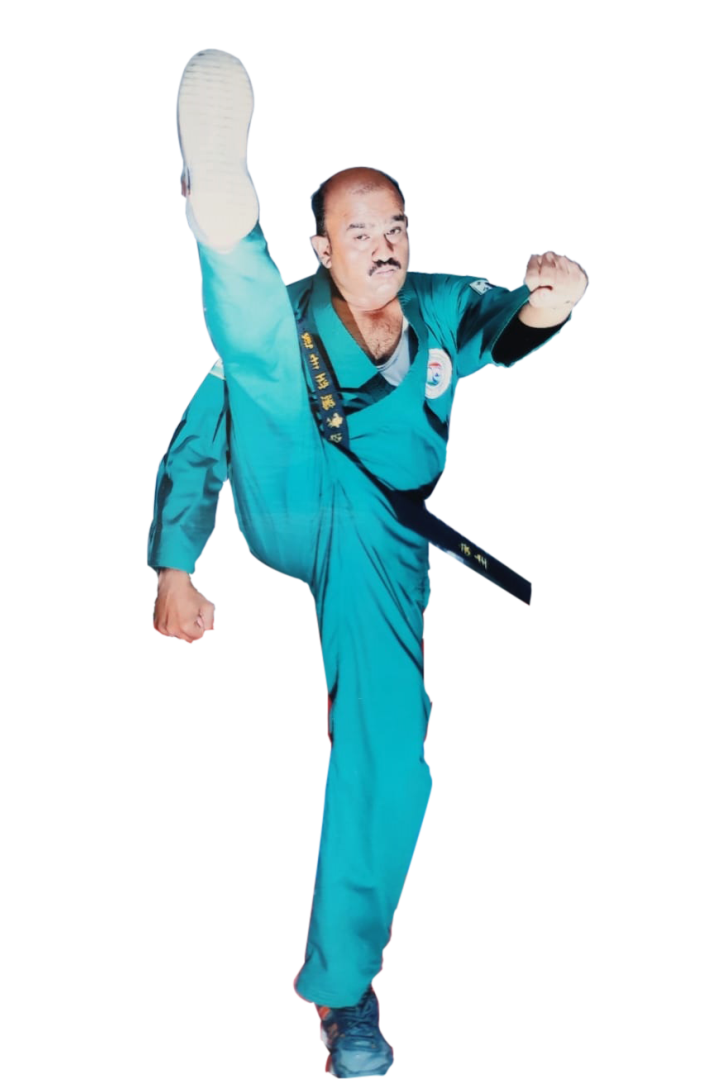
Variation and scope
Martial arts may be categorized using a variety of criteria, including
- Traditional/historical arts vs. contemporary styles: e.g., folk wrestling compared to modern hybrid martial arts.
- Techniques taught: armed vs. unarmed, and within these categories
- By application or intent: self-defense, combat sport, choreography or demonstration of forms, physical fitness, meditation, etc.